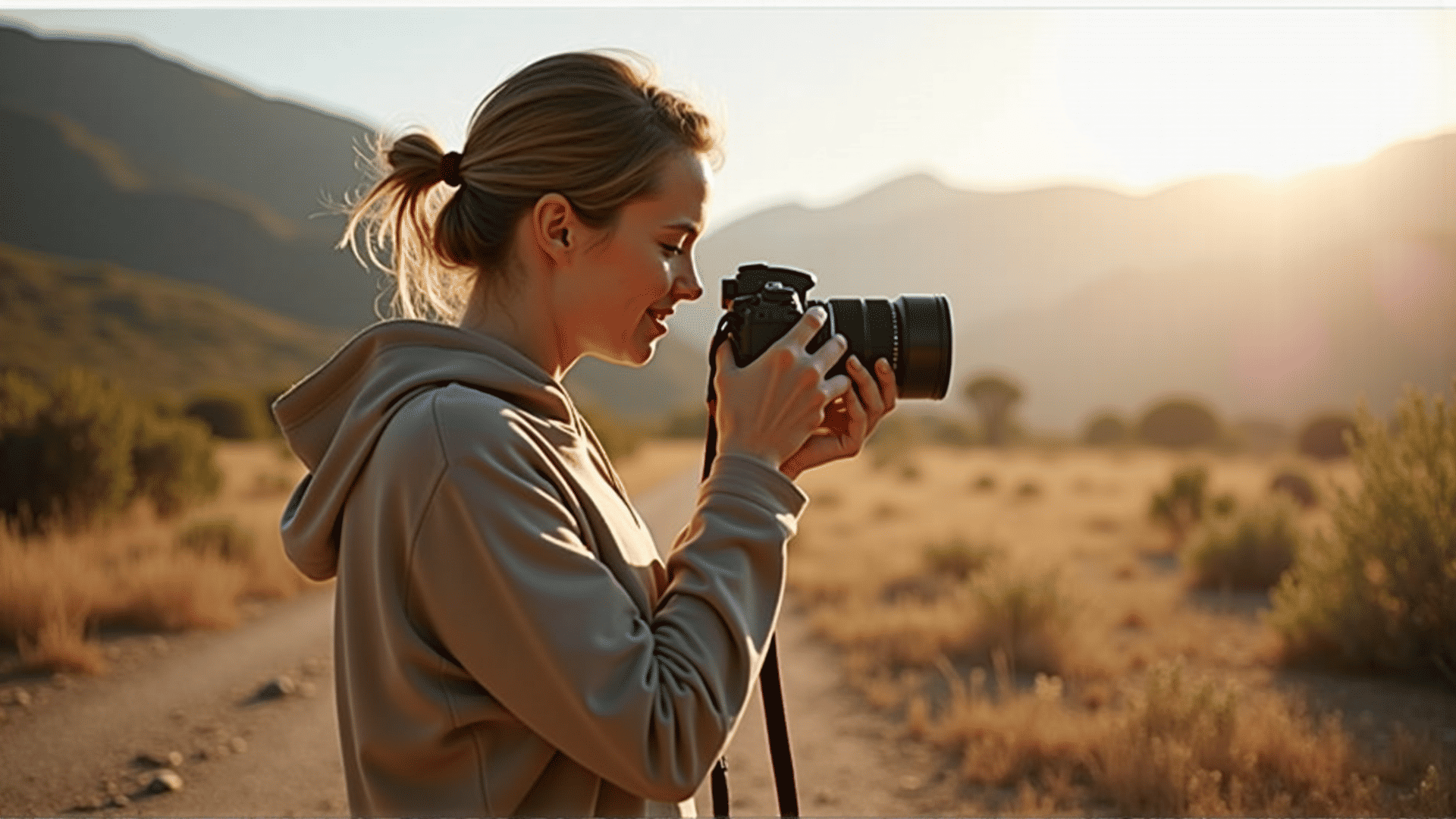
Embarking on the journey of photography is both exciting and rewarding. Understanding the basics is essential for any aspiring photographer looking to improve their skills. Let's dive into some foundational elements that are key in capturing stunning images.
Understanding Your Camera: Every great photographer begins by mastering their camera. Whether using a digital single-lens reflex (DSLR) or a mirrorless system, familiarize yourself with its modes and settings. Start by exploring the manual mode, which allows for complete control over your exposure settings.
Exposure Triangle: The exposure triangle is a fundamental concept that every photographer needs to grasp. It consists of three elements: aperture, shutter speed, and ISO.
-
Aperture refers to the size of the lens opening and controls the depth of field. A smaller f-number (like f/2.8) results in a shallow depth of field, isolating your subject from the background. Conversely, a larger f-number (like f/16) brings more of the scene into focus.
-
Shutter Speed dictates how long your camera's shutter stays open to let in light. A fast shutter speed (1/1000 sec) can freeze motion, while a slower one (1/30 sec) can create a sense of motion blur.
-
ISO is the measure of your camera's sensitivity to light. A lower number (like 100) is ideal for bright conditions to reduce noise. In low light, a higher number (such as 1600) is used, which can increase noise but captures more light.
Composition Techniques: Composition is the art of arranging elements within your frame to produce aesthetically pleasing images. Consider using the rule of thirds by dividing your frame into nine equal sections with two horizontal and two vertical lines. Placing your subject along these lines or at their intersections creates more balanced and engaging photos.
Another technique to consider is leading lines, which guide the viewer's eye through the image. These can be roads, rivers, or even shadows, providing a pathway that draws attention to the focal point.
Lighting: Understanding light is critical in photography. The quality, direction, and temperature of light can dramatically affect your images. Natural light is often favored, especially during the golden hours—just after sunrise and just before sunset—when the light is softer and warmer. Learning to manipulate light with reflectors or diffusers can also elevate your work.
Post-Processing: Although capturing the image is the first step, post-processing allows you to enhance it further. Editing software provides tools for adjusting exposure, contrast, color balance, and cropping. Subtle edits can drastically improve the final image without losing its authenticity.
Practice and Experimentation: Finally, practice is the most effective way to develop your photography skills. Regularly challenge yourself by experimenting with different styles, subjects, and techniques. As you do, you'll discover your unique photographic voice.
In summary, understanding the basics of photography provides the foundation for growth and expression through images. With dedication and creativity, you'll be well on your way to capturing powerful and compelling pictures.