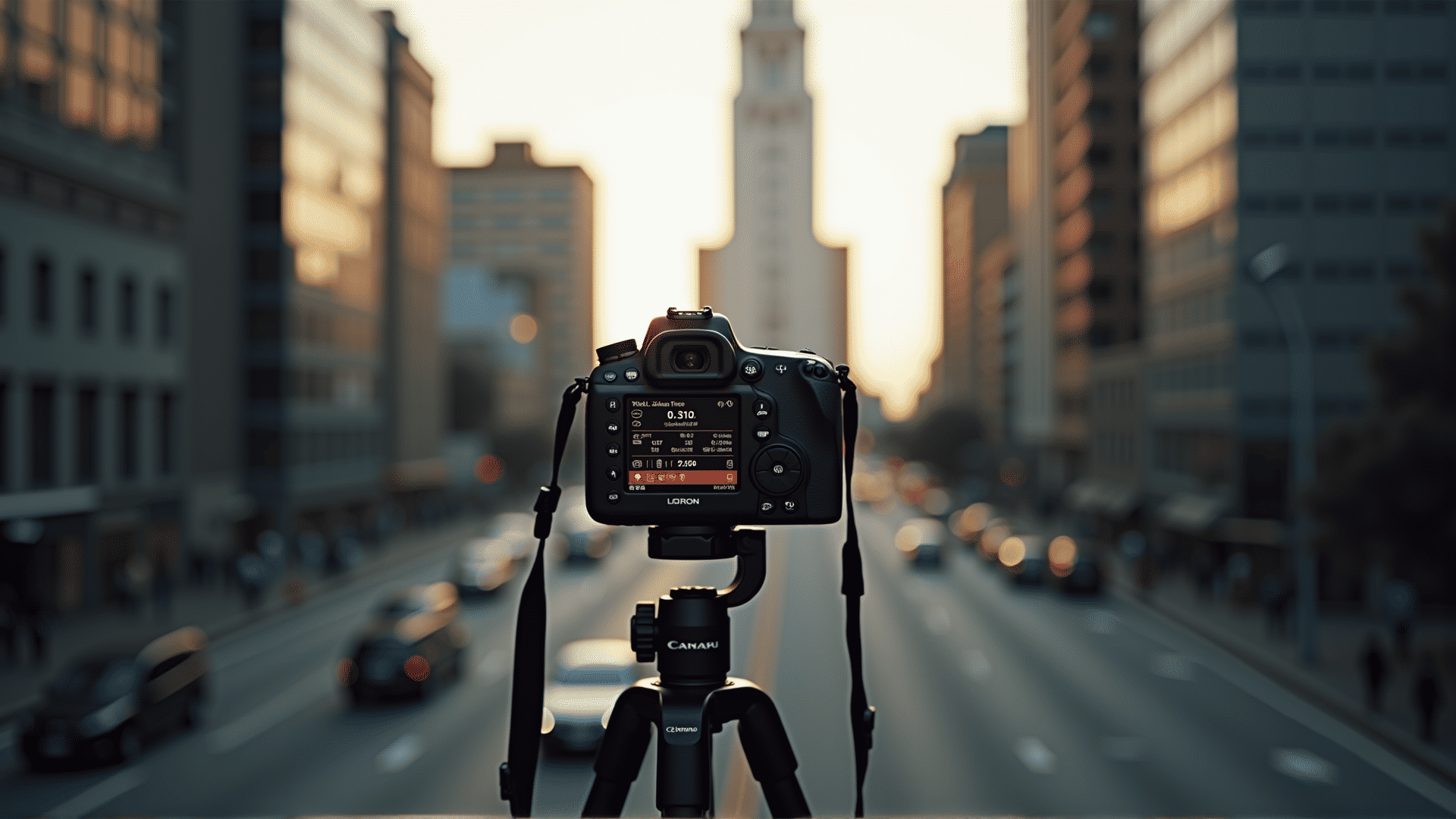
Capturing a moment exactly as you envision it requires a thoughtful understanding of your camera's settings. Whether you're a seasoned professional or a photography enthusiast, mastering your camera settings can elevate your photography to new heights. Here's a guide to help you navigate these essential settings for various situations.
Understanding Exposure
Aperture: The aperture is the opening in your camera lens that controls the amount of light entering the sensor. A larger aperture (denoted by a smaller f-number like f/1.8) allows more light, suitable for low-light environments and creating a shallow depth of field for striking portraits with a blurred background. Conversely, a small aperture (f/16, for example) is ideal for landscapes, ensuring sharpness throughout the scene.
Shutter Speed: This setting determines how long your camera's shutter remains open to let light hit the sensor. A fast shutter speed (1/1000 of a second or quicker) can freeze motion, perfect for sports or wildlife photography. A slower shutter speed (like 1/30 or lower) allows for creative effects like motion blur or light trails, but remember to use a tripod to prevent camera shake.
ISO: ISO measures the camera sensor's sensitivity to light. Lower ISO values (100 or 200) are preferable in bright conditions, providing the highest image quality. Higher ISO settings (1600, 3200, or higher) help capture images in low-light scenarios but may introduce noise or grain.
Focusing Techniques
Autofocus Modes: Cameras typically offer multiple autofocus modes, such as single-point AF for precise focusing, often used in portraits and detail shots, or continuous AF for tracking moving subjects, ideal for sports or wildlife.
Manual Focus: Employing manual focus can be advantageous in macro photography or when dealing with challenging lighting conditions where autofocus might struggle.
White Balance
White balance adjusts the color temperature of your images, ensuring that whites appear white and colors are accurate. Most cameras come with presets such as Daylight, Cloudy, or Tungsten, which can be adjusted according to the lighting condition. Custom white balance settings can also be used for the most accurate results, especially in mixed lighting environments.
Shooting Modes
Manual Mode: Gives you full control over all settings, allowing for complete creative freedom but requiring a comprehensive understanding of how different settings interact.
Aperture Priority (A or Av): You select the aperture and the camera automatically selects the shutter speed. This mode is useful when you are primarily concerned with controlling depth of field.
Shutter Priority (S or Tv): You set the shutter speed while the camera decides the aperture. This is beneficial when you want to control movement in the scene.
Program Mode (P): Offers a balance between manual and automatic, where the camera selects both the aperture and shutter speed, but you can adjust other settings like ISO and white balance.
Enhancing Composition
Beyond camera settings, composition greatly influences the impact of a photograph. Consider using the rule of thirds to guide your viewer's eye through the image. Also, look for leading lines and interesting perspectives to add depth and interest.
Practice and Experimentation
The key to mastering camera settings lies in practice and experimentation. Continuously test different settings in various environments to understand how they alter the outcome. Make use of the histogram on your camera to ensure a well-exposed image and avoid relying solely on the LCD screen.
By understanding and manipulating your camera's settings, you'll be able to capture scenes more accurately and artistically. With time, patience, and practice, you will transform your photography skills, creating compelling images that tell your story with vibrancy and emotion. Happy shooting!