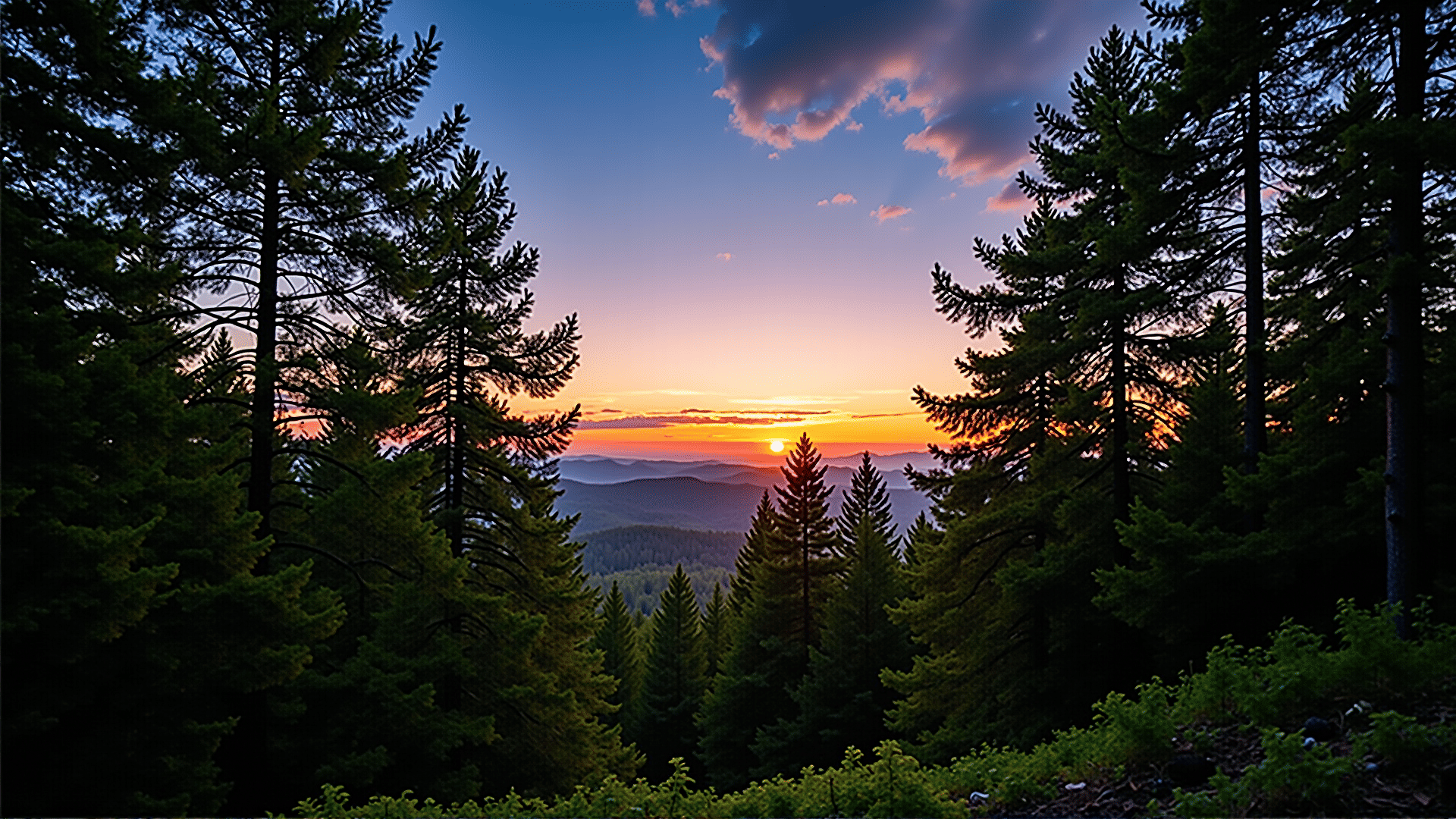
Capturing the beauty of nature through photography is a rewarding and fulfilling pursuit that allows one to tell a story and convey the emotion of a scene. To effectively capture the natural world, it's important to engage with various techniques that can enhance the quality and impact of your images.
Understanding Light
The foundation of any great photograph is light. In nature photography, optimal lighting can transform a simple scene into a captivating masterpiece. Early morning and late afternoon are ideal times, often referred to as the "golden hour," when the sunlight casts a warm, soft glow over the landscape. This type of lighting can add depth, highlight textures, and bring out colors that would otherwise be muted under harsh midday sun. Overcast conditions can also be beneficial, especially for capturing intricate details without the distraction of harsh shadows.
Composition Techniques
Composition plays a critical role in guiding the viewer’s eye and framing a story. The rule of thirds is a fundamental guideline that suggests dividing your image into a 3x3 grid and placing the subject along these lines or their intersections. This technique often leads to more balanced and engaging compositions. Leading lines are another powerful tool; these are lines within an image that lead the viewer’s gaze towards the subject or through the scene, adding depth and a sense of movement.
Focal Points and Depth of Field
Identifying a focal point is essential—it anchors the viewer's attention and adds interest. With nature photography, this could be a solitary tree in an expanse, a mountain peak, or an animal in its habitat. Depth of field, which refers to the range of focus in an image, can be manipulated to either isolate the focal point with a blurred background or keep the entire scene sharp. A shallow depth of field can bring attention to a single element, while a deeper one is effective for lush landscapes.
Capturing Motion
Nature is not static. Capturing movement, such as flowing water, leaves rustling in the wind, or wildlife in action, can add dynamism to your photographs. Experiment with longer exposure times to create a sense of motion blur for a more ethereal effect, particularly with waterfalls and streams. Conversely, use a faster shutter speed to freeze action, immortalizing a bird in mid-flight or a deer leaping through the forest.
Storytelling and Emotion
Ultimately, powerful nature photography is about storytelling and evoking emotion. Consider what you are trying to convey. Is it the tranquility of a secluded forest, the majesty of towering cliffs, or the fragility of spring blossoms? The story you wish to tell will guide your choice of techniques and bring a unique perspective to your images.
Practice and Patience
Nature photography requires patience and practice. Wildlife can be unpredictable, and the perfect lighting conditions are fleeting. Spend time in natural settings, observe the changes in light and weather, and take numerous shots from different angles. As you develop your skills, you’ll learn to anticipate moments and capture the essence of the natural world.
By honing these techniques, you can enhance your ability to tell compelling stories through your nature photography. In doing so, you not only preserve precious moments but also share the beauty and diversity of the natural world with others.