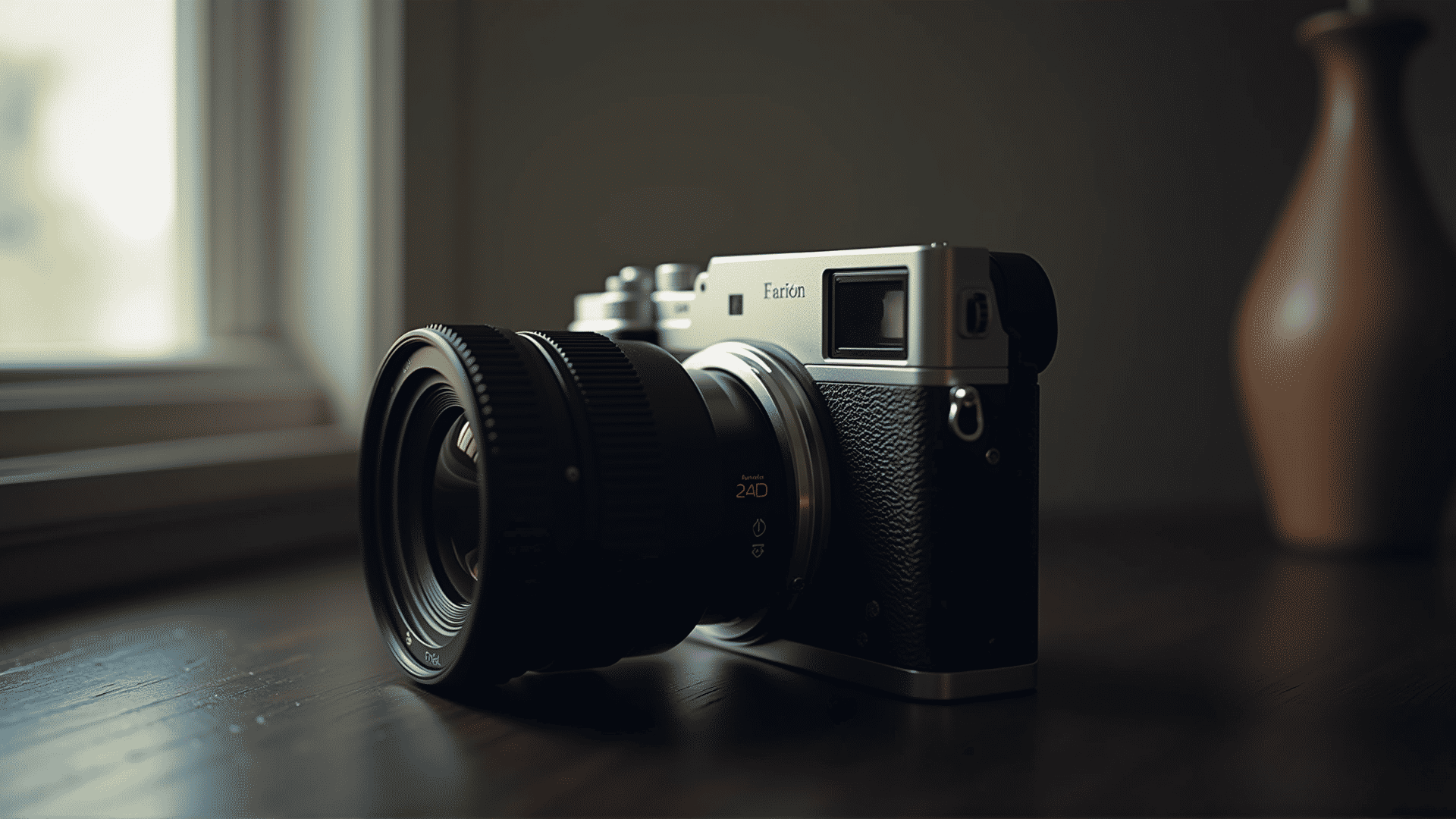
Photography is an art form that invites individuals to capture moments and transform them into memories. To truly excel in this field, it's vital to grasp the foundational camera settings and composition techniques. By understanding and manipulating the technical aspects of your camera, alongside developing an eye for composition, you can significantly enhance your photography skills and produce stunning images.
Camera Settings: The Basics
Understanding your camera's settings is essential. Begin with the aperture, a feature that influences the amount of light reaching the camera sensor. A wider aperture (indicated by a smaller f-number) will allow more light to enter, creating a brighter image and a shallower depth of field, perfect for portraits where the background blur is desired. Conversely, a narrower aperture (larger f-number) sharpens more of the scene, suitable for landscapes.
Next is the shutter speed, which determines how long the camera's sensor is exposed to light. Faster shutter speeds can freeze motion, ideal for action shots, whereas slower speeds may introduce motion blur, useful for capturing movement in artistic ways, like flowing water.
The ISO setting impacts the camera's sensitivity to light. In low-light conditions, a higher ISO can allow more light onto the sensor, but it may introduce graininess or noise. Balancing these three elements—often referred to as the exposure triangle—is crucial for achieving the desired exposure in any given scene.
Composition Techniques:
Mastering composition involves arranging elements within a frame to communicate your vision effectively. The rule of thirds is a fundamental guideline. By dividing your frame into a 3x3 grid and placing your subject along these lines or their intersections, you can create a balanced and engaging photo.
Leading lines can guide viewers’ eyes through the photograph, creating depth and directing attention to the main subject. These can be roads, pathways, or even natural elements like rivers and trees.
Framing is another powerful technique, involving the use of elements within the scene to naturally 'frame' the subject. This can add context and focus, drawing the viewer’s attention precisely where it's intended.
Utilizing Lighting:
Lighting plays a crucial role in the aesthetics of a photograph. Natural lighting, particularly during the golden hour—the period shortly after sunrise or before sunset—provides soft, warm tones that enhance the image’s mood. Understanding how to use this light can transform ordinary scenes into extraordinary images.
In situations where natural light is insufficient or unavailable, consider manipulating available light sources. Adjust the light’s direction and intensity to create shadows, highlights, and textures that add dimension to your photos.
For indoor photography, simple tools like reflectors can help bounce light onto your subject, reducing harsh shadows and softening the overall look.
Final Thoughts:
By embracing these core principles, you are on the path to becoming not just a photographer, but a storyteller through images. Practice each aspect, experiment with different settings, and continuously seek to learn and adapt. Photography is a dynamic and evolving art, and the more you immerse yourself in its principles, the more your creativity will flourish.