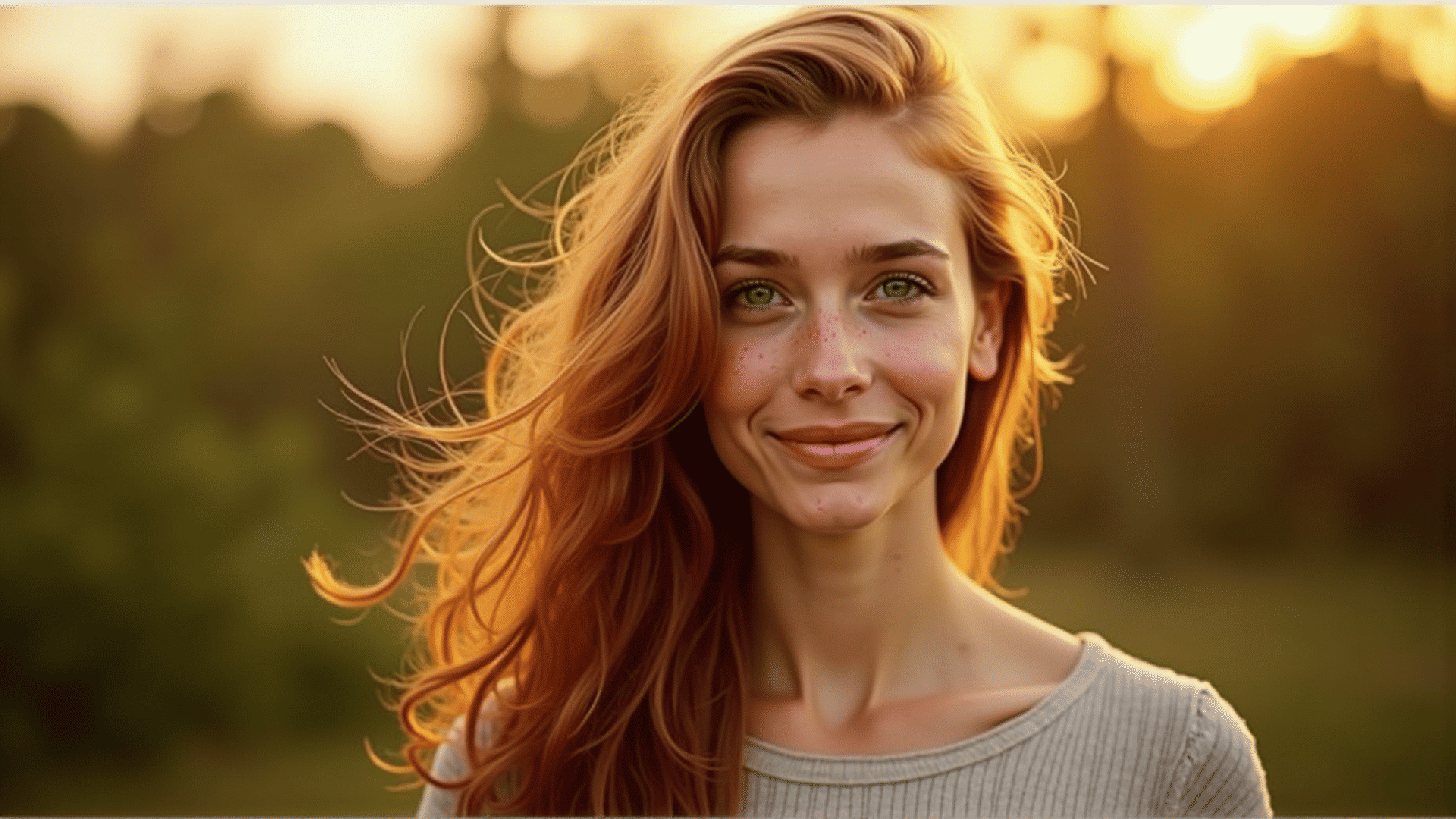
Portrait photography is an art form that thrives on capturing the essence and personality of the subject. It’s a captivating journey where color and composition play pivotal roles in transforming a simple picture into a compelling narrative. Understanding and mastering these elements not only elevate the technical quality of the photograph but also enhance its emotional impact.
Embracing Color Theory
Color is a powerful tool in portrait photography. It can influence mood, convey emotions, and even guide the viewer’s eye through the frame. Understanding color theory helps photographers make intentional choices about the palette they use in their portraits.
1. The Color Wheel and Harmony
The color wheel is a fundamental tool for identifying color relationships. Complementary colors, those opposite each other on the wheel, can create striking contrast. In contrast, analogous colors, which sit side by side on the wheel, provide a harmonious and calming effect. Deciding between these schemes depends on the desired emotional response. For a vibrant and dynamic look, complementary colors like blue and orange are effective. For a serene and sophisticated composition, analogous colors such as blue and green soothe the eye.
2. The Role of Temperature
Colors are also classified as warm or cool, influencing the overall feel of the portrait. Warm colors like reds, oranges, and yellows can evoke feelings of warmth and comfort. Cool colors such as blues and greens are often calming and tranquil. Balancing these elements can either introduce tension or promote calmness, shaping the viewer’s emotional response.
3. Color Accents and Focus
Incorporating color accents can draw attention to specific elements in the portrait. A splash of red in a monochromatic setting will command attention and create focus on that area. Balancing vibrant colors with neutrals ensures that the accents don’t overpower the subject, maintaining harmony in the composition.
Mastering Composition
Composition is the backbone of any striking portrait. It guides the viewer’s eye, emphasizing the elements that narrate the subject’s story.
1. Rule of Thirds
One of the foundational techniques in photography composition is the rule of thirds. By dividing the image into a 3x3 grid, photographers place points of interest along the lines or at their intersections. This creates more dynamic and engaging images than simply centering the subject.
2. Leading Lines
Using natural lines within the environment directs the viewer’s gaze towards the subject. Whether it’s a pathway, a shadow, or even the line of one’s gaze, these elements naturally guide the eye and enhance the storytelling aspect of the portrait.
3. Depth and Layers
Introducing depth by having elements in the foreground, middle ground, and background adds dimension to the portrait. This technique not only enhances interest but also ensures the subject stands out against a rich tapestry of layers.
4. Framing the Subject
Natural frames within the image, such as windows, doors, or foliage, can be used to encase the subject, drawing focus and adding structure to the composition. This technique emphasizes the subject while adding a refined artistic element to the image.
Technical Considerations
Beyond theory, technical mastery over your camera settings is crucial. The interplay of aperture, shutter speed, and ISO will influence the outcome of color vibrancy and clarity, allowing you to experiment with depth of field and motion blur.
Conclusion
The intricate dance between color and composition in portrait photography opens up a world of creativity and expression. By understanding and applying these fundamental concepts, photographers can transform their work into pieces of art that resonate on an emotional level. Ultimately, the goal is not only to capture a likeness but to weave a story through every hue and every frame, making each portrait a testament to the intricate beauty of human expression.